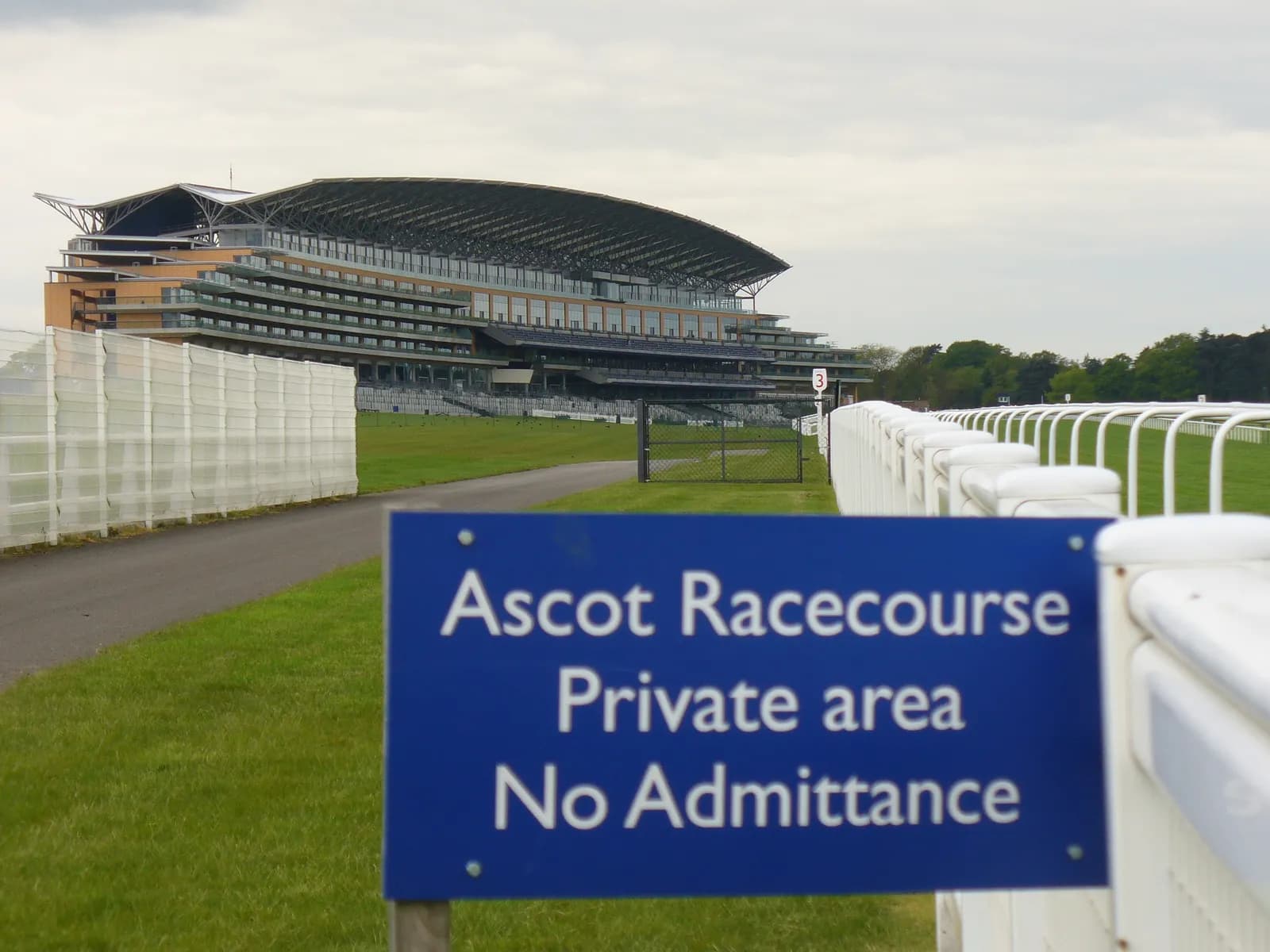
On 28 September 1996, Ascot Racecourse witnessed one of the most extraordinary achievements in British horse racing history. Jockey Frankie Dettori rode seven winners from seven races on a single afternoon, an unprecedented feat that remains unmatched nearly three decades later.
The Day That Changed Racing History
The meeting at Ascot on that Saturday in late September began like any other. Dettori, then riding for Godolphin and already established as one of the country's leading jockeys, had no inkling of what the afternoon would bring. The card consisted of seven races, and by the end of the day, he would have won every one of them.
The sequence began with the first race, and continued with each subsequent contest. Dettori's mounts included horses trained by the day's leading trainers, demonstrating the breadth of his connections and the confidence placed in him by the racing establishment.
The Seven Winners
The horses that carried Dettori to his Magnificent Seven were: Wall Street in the opening contest; Diffident in the second; Mark Of Esteem in the third; Decorated Hero in the fourth; Fatefully in the fifth; Lochangel in the sixth; and finally Fujiyama Crest in the concluding race.
Each victory added to the growing realisation that something remarkable was unfolding. The crowd at Ascot, which had gathered for what had started as a routine autumn meeting, found itself bearing witness to history.
Trainers and Stables
The victories came for some of the leading training establishments of the era. Saeed bin Suroor, who would later become synonymous with Godolphin's British operation, trained Wall Street. Mark Of Esteem was trained by the legendary Henry Cecil, one of the most successful trainers in British racing history. Other winning horses represented the stables of Roger Charlton and other prominent trainers of the period.
The Final Race Drama
The seventh and final victory proved the most dramatic. Fujiyama Crest was an outsider with little expectation placed upon him. The horse had shown limited form in previous outings, and bookmakers offered odds of 2/1 against Dettori completing the full set. The jockey later recalled having to make up significant ground in the closing stages, driving the horse to the line to secure the historic seventh win.
The crowd's reaction told its own story. Ascot erupted as Fujiyama Crest crossed the line in front, with spectators realising they had witnessed an achievement never before seen at a British racecourse.
What Made It Unrepeatable
Dettori's Magnificent Seven remains unique in British racing history. While jockeys have won six races at a single meeting on rare occasions, no one has matched the full seven. The feat requires not only exceptional riding skill across different races and distances, but also the alignment of multiple factors: suitable horses entered in each race, the jockey being booked for all seven mounts, and the competitive circumstances falling favourably.
The achievement came at a significant moment for Dettori personally. Born in Milan in 1970 to a racing family—his father was the renowned Sardinian jockey Gianfranco Dettori—Frankie had moved to Britain as a teenager to pursue his career. By 1996, he was established as the retained jockey for Godolphin, the racing operation owned by Sheikh Mohammed bin Rashid Al Maktoum of Dubai. The Magnificent Seven cemented his status as a sporting icon.
Ascot's Place in the Story
Ascot Racecourse, established in 1711 by Queen Anne and located in the heart of Berkshire, provided the stage for this historic achievement. The course, with its distinctive right-handed track and challenging straight mile, has been the setting for countless racing dramas over its three-century history. Yet few days can match 28 September 1996 for pure sporting theatre.
The Berkshire course, which underwent extensive redevelopment in the mid-2000s, retains its position as one of the world's premier racing venues. Royal Ascot, held each June, remains the highlight of the British Flat racing calendar, attracting royal patronage and international attention. The September meeting, whilst less celebrated, proved capable of producing moments of equivalent drama.
Legacy and Remembrance
Dettori's achievement has entered racing folklore. The term "Magnificent Seven"—a reference borrowed from the 1960 western film—has become the standard description for the feat. Bookmakers reportedly faced substantial payouts that evening, with punters who had backed Dettori's rides throughout the day collecting significant returns.
The jockey himself has reflected on that day as the pinnacle of his career, despite winning numerous Group One races, multiple jockey championships, and the Derby. The statistical improbability of winning seven consecutive races at a major British meeting—particularly with the final winner being a substantial outsider—ensures its place in sporting history.
Nearly thirty years later, the Magnificent Seven remains a benchmark for excellence in British racing. Ascot Racecourse, which has hosted kings and commoners alike since the eighteenth century, secured its place in racing mythology on that September afternoon. The achievement stands as testament to the skill, determination, and occasional fortune that combine to create sporting immortality.