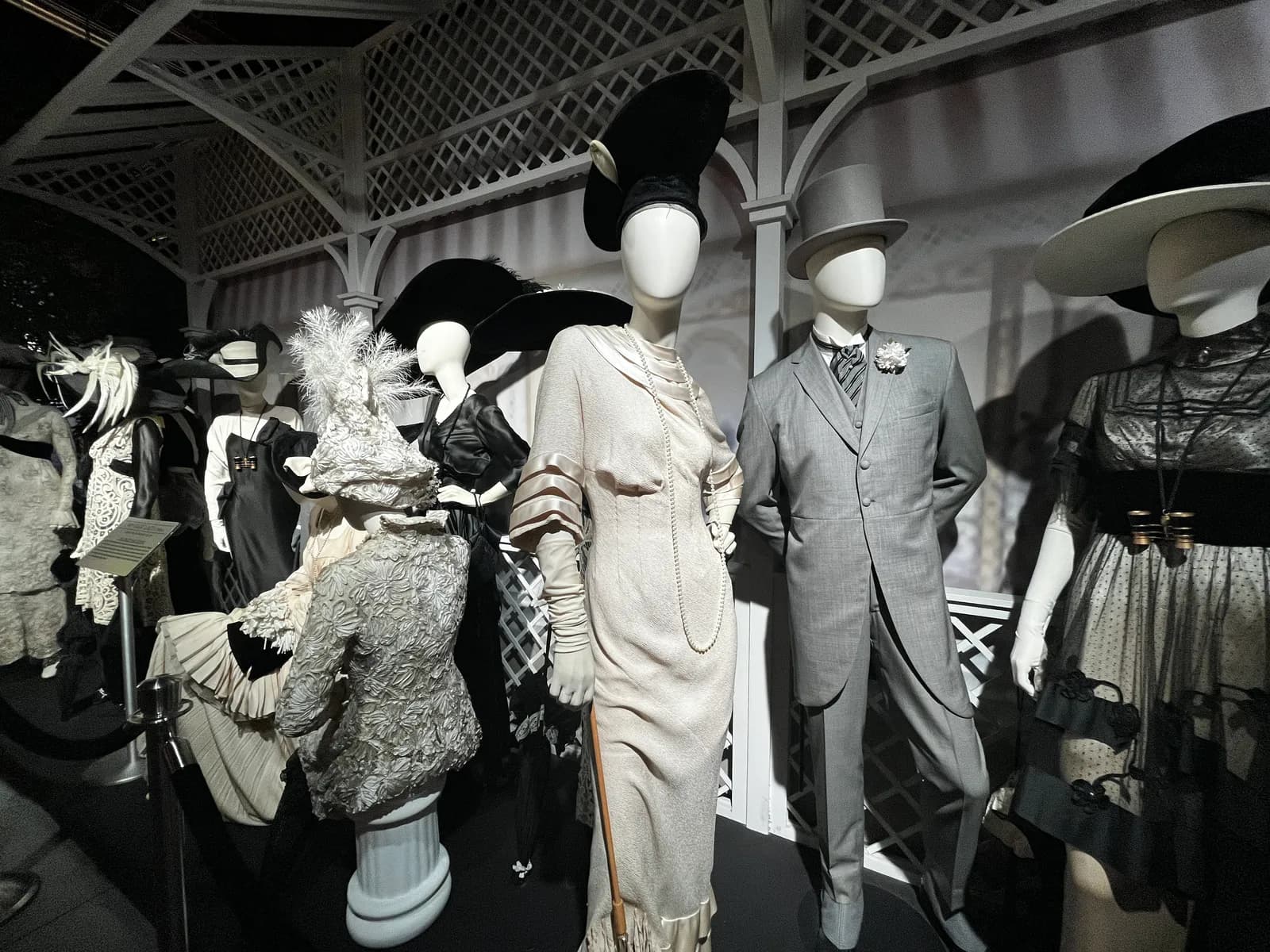
When Royal Ascot opened its gates in June 1910, the racecourse bore witness to a spectacle unlike any before or since. Following the death of King Edward VII on 6 May 1910, the meeting became known as "Black Ascot" — a gathering where the customary rainbow of summer fashions was replaced by an ocean of black mourning dress, broken only by white flowers and strings of pearls.
The Death of a Monarch
King Edward VII died at Buckingham Palace on 6 May 1910, aged 68, after a series of heart attacks. His death plunged the nation into mourning and created an unprecedented situation for the social calendar. Royal Ascot, traditionally held in mid-June, fell within the official mourning period. The new King, George V, had ascended the throne that same day, and the royal family observed strict mourning protocols.
A Racecourse in Mourning
The 1910 Royal Meeting transformed Ascot Racecourse into a study in monochrome. According to Ascot Racecourse's official records, the Royal Enclosure was filled with attendees "dressing in black, save for white flowers or strings of pearls." This created a striking visual contrast: the vibrant green of the Berkshire turf and the colourful silks of the jockeys set against the sombre attire of the spectators.
The decision to proceed with the meeting during deep mourning reflected the importance of Royal Ascot as both a sporting institution and a social fixture. The racecourse had been founded by Queen Anne in 1711, and by 1910 it was firmly established as the centrepiece of the British racing calendar. Even royal death could not entirely halt the racing — though it profoundly altered its character.
From Berkshire to Hollywood
More than five decades later, the visual memory of Black Ascot 1910 found new life on the silver screen. Cecil Beaton, the renowned photographer and designer, drew directly upon the 1910 meeting when creating the costumes for the Ascot Gavotte scene in the 1964 film My Fair Lady.
Beaton, who won Academy Awards for both Costume Design and Art Direction for his work on the film, recreated the black-and-white aesthetic of the 1910 Royal Enclosure. The scene, directed by George Cukor, features Audrey Hepburn as Eliza Doolittle making her society debut at Ascot. The costumes — elaborate black and white ensembles with dramatic hats — faithfully echoed the mourning attire of Black Ascot.
This careful historical reference was characteristic of Beaton's approach. His work on My Fair Lady built upon his earlier success designing for the original 1956 stage production by Lerner and Loewe. The Ascot sequence remains one of cinema's most recognisable depictions of British racing culture, viewed by millions who may never have attended the Berkshire course in person.
A Lasting Visual Legacy
The influence of Black Ascot extends beyond film history. The 1910 meeting represents a unique intersection of royal protocol, social tradition, and sporting culture. While mourning dress was commonplace in Edwardian England, the application of such strict codes to a race meeting of Royal Ascot's stature created an indelible image.
Cecil Beaton's cinematic recreation preserved this visual for future generations. The black-and-white costumes of the My Fair Lady Ascot scene — now displayed at Warner Bros. Studio Tour — continue to introduce audiences to the historical reality of the 1910 meeting. The designer's attention to historical accuracy transformed a moment of national grief into an enduring work of art.
For Ascot Racecourse itself, the legacy of 1910 forms part of a rich tapestry of history stretching back to Queen Anne's inaugural race meeting in 1711. The course has witnessed two centuries of British history — wars, coronations, changing fashions, and evolving social customs. Yet few years match the visual distinctiveness of 1910, when the Royal Enclosure became a sea of black.
The meeting demonstrated the resilience of the racing calendar even in times of national sorrow. While the crowds dressed in mourning, the races continued. The Ascot Gold Cup, the meeting's premier staying race, maintained its place in the programme alongside the other traditional events that have defined Royal Ascot for generations.
Today, visitors to Ascot Racecourse can walk the same grounds where the sombre gathering of 1910 took place. The Royal Enclosure, still the most exclusive section of the course, maintains its strict dress codes — though now they specify morning suits and elegant day dresses rather than mourning black. The memory of Black Ascot lives on in the archives and in the Hollywood film that captured its spirit for a new century.