While Ascot is celebrated worldwide for its racecourse and the pomp of Royal Ascot, the town and its surrounding Berkshire countryside have also served as home to some of the most influential figures in popular culture and royalty. From John Lennon's creative sanctuary to the permanent presence of the British monarchy at nearby Windsor, Ascot's leafy lanes and grand estates have long attracted those seeking privacy, inspiration, and a connection to English heritage.
John Lennon and the Ascot Sound
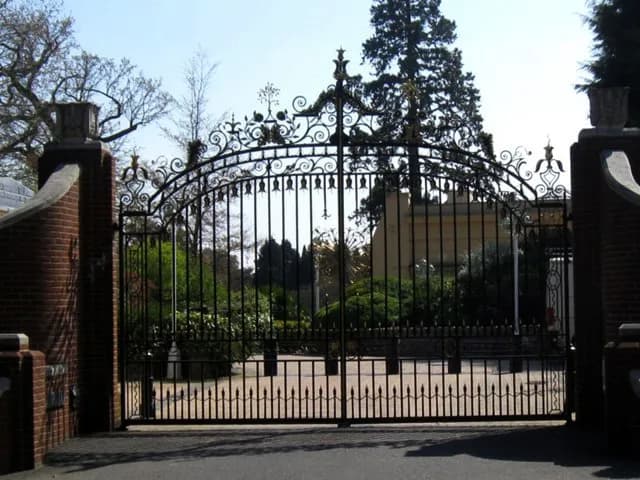
Perhaps the most famous resident of the Ascot area was John Lennon, who made Tittenhurst Park his home from the late summer of 1969 until his permanent departure for New York on 31 August 1971. The Georgian manor house, located in nearby Sunninghill within the Ascot area, became Lennon's creative headquarters during a pivotal period in his career.
Lennon purchased the estate after selling his previous home, Kenwood in Surrey, reportedly drawn to Tittenhurst's resemblance to Calderstones Park in Liverpool, where he had spent time as a child. He and Yoko Ono invested significantly in renovations, spending twice the purchase price to transform the interior to their specifications, including commissioning hand-woven Oriental rugs and installing a man-made lake.
It was at Tittenhurst Park that some of Lennon's most enduring work took shape. The last official Beatles photo session took place on the estate grounds on 22 August 1969; the photographs subsequently appeared on the front and back covers of the "Hey Jude" album, released in early 1970. Following the Beatles' break-up, Lennon constructed Ascot Sound Studios in the estate grounds, where he and Ono recorded several albums including their twin "Plastic Ono Band" releases. The iconic cover photographs for those albums were taken at Tittenhurst by Lennon and Ono themselves using an Instamatic camera.
The estate also served as the filming location for portions of the promotional film for "Imagine," including sequences showing the couple strolling through the gardens. In the film, a window bears the inscription "This is not here," reflecting the couple's philosophical interests during that period.
Royal Connections: Windsor and Ascot
No discussion of famous Ascot residents would be complete without acknowledging the British Royal Family. Whilst not strictly within Ascot itself, Windsor Castle stands as one of the monarch's primary official residences and is located mere miles from the racecourse. The Royal Standard flying above the castle indicates when the monarch is in residence.
The proximity of Windsor Castle to Ascot Racecourse established the foundations for what would become Royal Ascot, the annual racing event that draws the Royal Family and thousands of visitors each year. The royal connection has endured for centuries, transforming Ascot from a local racecourse into an internationally recognised symbol of British tradition and pageantry.
The Legacy of Creative Residents
Lennon's time in Ascot represents a broader pattern of creative figures seeking refuge in the Berkshire countryside. The area's combination of rural tranquillity and proximity to London has made it an attractive destination for those in the public eye seeking privacy without isolation.
Tittenhurst Park itself passed from Lennon to fellow Beatle Ringo Starr, who also used the estate as a family home before eventually selling it. The property's musical legacy continues to attract interest from Beatles enthusiasts and music historians, who recognise the grounds as the birthplace of some of Lennon's most significant post-Beatles work.
Ascot's Dual Identity
The presence of such figures highlights Ascot's unique position within British cultural life. The town exists simultaneously as a centre of traditional English sport and as a retreat for those shaping contemporary culture. This dual identity has roots in the area's geography; close enough to London for convenience, yet sufficiently rural to offer the privacy that public figures require.
Today, visitors to Ascot can appreciate this layered heritage. Whilst the racecourse remains the area's most visible attraction, the surrounding estates and villages tell stories of a different kind of history, one involving recording studios, iconic photographs, and some of the twentieth century's most influential artists.
The racecourse and the recording studio, the Royal Family and the rock stars, all form part of Ascot's distinctive character, a place where tradition and innovation have coexisted for generations.